Evening sky, blazing across the azure canvas—
Amethyst and fuchsia twirling into each other—
Stretching into sleek silken strands
Highlighted by golden persimmon,
Flaming like DayGlo sherbet,
I will ride off into you.

Evening sky, blazing across the azure canvas—
Amethyst and fuchsia twirling into each other—
Stretching into sleek silken strands
Highlighted by golden persimmon,
Flaming like DayGlo sherbet,
I will ride off into you.
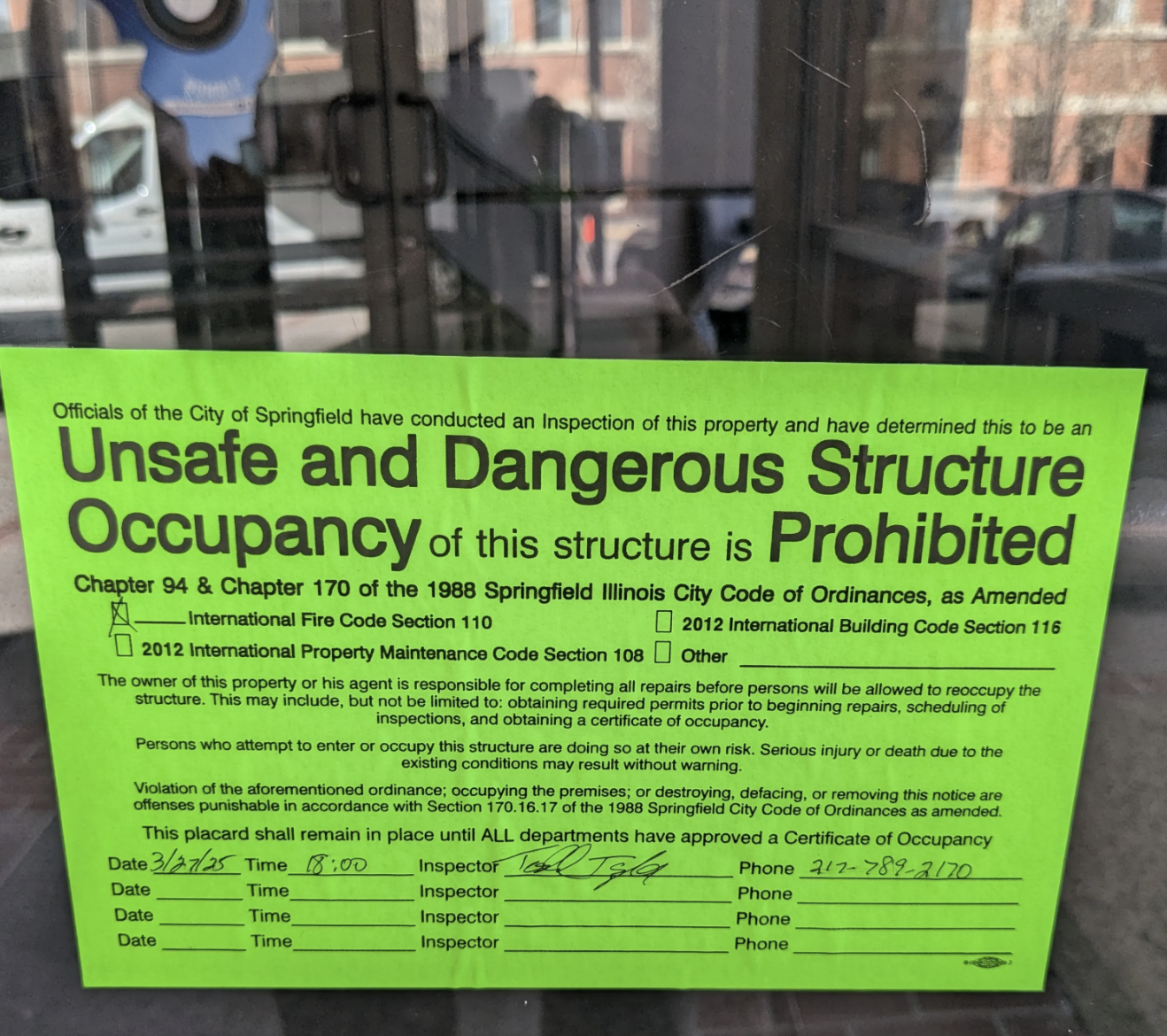
so much depends
upon
the Wyndham
hotel
flooded with sprinkler
water
beside the BOS
center
(A nod to William Carlos Williams and “The Red Wheelbarrow” while looking away from The Wyndham Hotel)
Inside my shoes
are my feet
that have been running since I was 2.
At first I ran
hoping to be chased—
by my big brothers,
my big sister,
maybe even one of my parents.
Eventually I ran
to get away—
from my big brothers,
my big sister,
maybe even one of my parents.
Inside my shoes
are feet with scars—
hardship
fear
sadness
loss.
Inside my shoes
are feet with stories—
standing up
Strength
resilience
victory.
Inside my shoes
are feet that still run—
sometimes, when I don’t want to,
but I do it anyways because I know that it
makes
me
stronger.
Inside my shoes
are feet that run
around the block,
across the bridge,
toward a 3K
and maybe eventually a half marathon
Running toward myself
In promises of
progress and
healing.

#VerseLove prompt: Write about a scar, one that may be physical in nature or one that might be more emotional. To get started, think about these questions: Where did it come from? How did you get it? Who was with you at the time? What is the story that goes with the scar? What would the scar say about you? etc.
I was also inspired by poet-researcher Dr. Darius Phelps who prompted me to write “In My Shoes.”

The weekend’s upon us—the time to behold—
Time to recalibrate, connect, and just hang
Though this weekend might be rainy and cold,
When we look back, we will remember that we sang.
I intend to appreciate each second of the day,
As the sun moves east to west.
Believe it or not I will be home, not away,
So I might even get some rest.
Under myself I feel the need to start a fire—
Inspiration and more joy—because I’m telling no lie,
I’m seeing the approach of my eventual expire,
As we all know that life quickly goes by.
I hope to retire while I am still strong,
And do everything I love all day long.
#VerseLove—The prompt suggested to borrow the end rhymes from another poem or song, preferably a famous one, and create a new poem. I chose to use William Shakespeare’s “Sonnet 73: That time of year thou mayst in me behold”
Daffodils—
Pushing through
Into Bloom—
You are the
Big sisters,
Singing spring.
Tulips, then
Irises,
Follow you.


I
Am
Able
To fathom
Multiplication of
Sun-shaped “leeches”seeking new homes.
Each Pair of lungs becomes weaker, times two, doubling, infinita infinitis.
Isolating—hiding from Aching, Burning, Coughing, to hide our Aching, Burning, Coughing—Isolating even when it is too late and not enough—Ice. Soul. Late.
The crescent curve on the graphs/charts/maps that total the tolls and count the cases represents the exponential misery that cannot be totaled, because there is more ahead and the numbers keep growing. We can measure the growth and measure the growth, always, always watching the crescent point towards more.
I have eaten
the pistachios
that were in
the cabinet
and which
you were probably
saving
for quarantine snacks
Forgive met
they were satisfying
so crunchy
and so salty
Another nod to William Carlos Williams!
I have used
the toilet paper
that was in
the bathroom
and which
you were probably
saving
for lockdown
Forgive me
it was necessary
so soft
and so clean
This is a nod to William Carlos Williams and his poem called “This is Just to Say.” You may know it as the plum poem.
National Poetry Writing Month, Day Two
From http://www.napowrimo.net/
“Today, I’d like to challenge you to write a poem that similarly resists closure by ending on a question, inviting the reader to continue the process of reading (and, in some ways, writing) the poem even after the poem ends.
Happy writing!”
Where is Your Crown?
Do you know that you descended from kings and queens?
Can you see that you are regal?
How will you realize that you will inherit the Kingdom?
Do you know how much you are worth?
Do you know that you are a survivor?
Can you see that you are strong and brilliant?
How will you recognize that beauty that lives inside you?
Do you know that you are loved?
Do you know that your dreams are valid?
Can you see that you are on the way up?
How can I help you see your value?
Can you please put back on your crown?
Day One — National Poetry Writing Month http://www.napowrimo.net/
“For our first (optional) prompt, let’s take our cue from O’Neil’s poem, and write poems that provide the reader with instructions on how to do something. It can be a sort of recipe, like O’Neil’s poem. Or you could try to play on the notorious unreliability of instructional manuals (if you’ve ever tried to put IKEA furniture together, you know what I mean). You could even write a dis-instruction poem, that tells the reader how not to do something. Happy writing!”
How to Write a Poem
Sit down.
Scribble ideas.
Scratch the surface—
Pen to paper.
Miss the mark.
Pause.
Stand up.
Walk away.
Go outside.
Rake leaves.
Talk to neighbors—
Witty exchanges,
Clever words,
Flowing.
Remind yourself
That you
Were searching
For meaningful words.
Go inside,
Return to task—
Poem-planning.
Dig deep
For expert expressions,
Figurative phrases,
That tell
A secret
Or celebrate something.
Try for a metaphor that
Falls flat,
Like a
Scanty simile.
Scratch.
Scratch it out.
Start again.
Stack short sayings
One upon another—
Expressions
That may
Topple over because
There
Is
No
Meaningful
Foundation
On
Which
The
Blether
Blather
Babble
Gabble
Prattle
Chatter
Jabber
Can
Stand.

